Heat Pumps in Rye Winters: How Cold Is ‘Too Cold’ and What Homeowners Can Do
Rye, NY winters can swing from crisp coastal mornings to biting nor’easters. If you rely on a heat pump, you might wonder how it will hold up when the mercury dips. The good news is that modern systems are built for cold weather. If you want the most reliable comfort, it helps to understand how your system works and what to watch for. Many homeowners start by reviewing the basics of high‑efficiency heat pumps and how they behave in real winter conditions.
This guide explains what “too cold” really means, how defrost and auxiliary heat protect your home, and when to call Sustainable Heating & Cooling for service. You will also see how local conditions in Milton, Greenhaven, and Rye Neck can change performance and what steps keep your home cozy without stress.
How Rye, NY Winters Affect Cold-Climate Heat Pumps
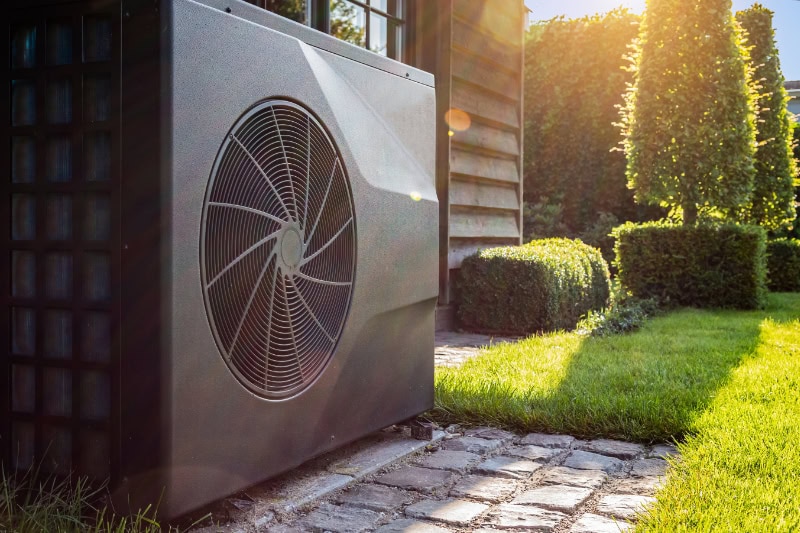
Westchester’s shoreline weather is unique. Moist air from the Sound and sharp wind gusts can make outdoor units feel colder than the actual temperature. That chilling effect can increase frost buildup on the coil, which is why your system includes defrost logic. It also means airflow matters even more after a storm.
Homes near the harbor often see drifting snow that gathers around the outdoor unit. In tree‑lined streets like Indian Village, falling leaves in late fall can restrict the intake before the deep cold hits. Good placement and clear space around the unit give your system the best chance to maintain capacity during a cold snap.
How Cold Is “Too Cold” for a Heat Pump?
There is no single cutoff temperature. Capacity drops as outdoor air gets colder, and at some point your system needs help. Cold‑climate models keep producing heat well below freezing, but you may notice longer run times as the system works to maintain your set point. When the outdoor temperature dives near the bottom of your system’s design range, auxiliary heat steps in to protect comfort.
Think of it like biking into the wind on Forest Avenue. You can still move forward, but you work harder. Your heat pump is doing the same thing. If the home suddenly feels uneven from room to room, or the system runs almost nonstop during a bitter night, that is normal for the conditions, not a flaw.
What Happens During the Defrost Cycle
On frosty days, moisture in the air freezes on the outdoor coil. The unit will briefly switch modes to melt that ice. You might hear a change in sound, see steam, or notice cooler air indoors for a short period. That is the defrost cycle doing its job to keep airflow strong.
Do not chip ice off the unit. That can damage the coil or fan. A trained technician can check sensors, refrigerant levels, and controls to be sure defrost starts and ends at the right time. When defrost works properly, it protects efficiency and prevents longer outages later.
Auxiliary Heat: Why Your System May Switch On
Auxiliary heat is a built‑in assist that turns on when the heat pump alone cannot keep up. It can be electric heat strips or a paired furnace in a dual‑fuel setup. You might see “AUX” or “EM HEAT” on your thermostat. This is expected during sharp cold snaps or after a large setback when the home needs to catch up quickly.
Avoid deep thermostat setbacks during Arctic blasts. Big swings force the system to call for more auxiliary heat, which can lower efficiency. Steady set points keep comfort consistent and help your heat pump carry more of the load.
Signs Your Heat Pump Needs Repair in Rye, NY
Cold weather can expose small issues that have been hidden since fall. If you notice the signs below, it is time to schedule heating repair with a local pro before the next storm rolls through.
- Unusual grinding, scraping, or rattling noises that start and stop with the outdoor fan
- Short bursts of warm air followed by long periods of cool airflow indoors
- Ice building into a solid block on the outdoor coil even after defrost cycles
- Frequent tripped breakers or flickering lights when the system starts
- Thermostat shows AUX heat constantly for hours in mild weather
These signs point to issues like airflow restriction, sensor faults, or failing components. Quick attention can prevent a no‑heat situation when temperatures tumble overnight.
Thermostat Settings and Home Prep That Support Performance
Comfort and efficiency depend on the whole home, not just the equipment. Simple choices help your heat pump stay ahead of the weather.
- Use moderate set points and avoid large setbacks during extreme cold
- Keep supply registers open and unblocked for steady airflow
- Replace or clean filters on schedule so the system can breathe
- After a storm, make sure the outdoor unit has space around it for air intake
Know that light steam during defrost is normal. It is different from smoke or a burning smell, which calls for a quick shutdown and a service visit. If you have questions about your setup in a coastal location or a shaded backyard, Sustainable Heating & Cooling can evaluate placement and airflow to reduce frost buildup over the season.
Cold-Weather Heat Pump Performance: What to Expect
As outdoor temperatures fall, the heat pump’s capacity shrinks. That does not mean the system is failing. It means run times get longer and auxiliary heat may assist when needed. If your home is well sealed and ductwork is balanced, you will feel steady, even warmth with fewer swings.
Homes in older Rye neighborhoods often have a mix of insulation levels and window types. That mix changes how quickly rooms lose heat. A performance check helps align your system’s output with the home’s needs so auxiliary heat engages only when helpful.
Defrost Cycle Myths, Busted
Homeowners often worry when they see the outdoor fan stop and steam pour out on a cold morning. In most cases, that is exactly what should happen. The system reverses briefly, warms the coil, melts the frost, and then returns to heating. The process protects the equipment and restores airflow.
Do not restart the system repeatedly during defrost. Let the cycle finish. If defrost lasts longer than usual or repeats back‑to‑back without clearing frost, schedule a check. A sensor, relay, or airflow issue may need attention so you do not lose heat during the next cold spell.
When Auxiliary Heat Is a Feature, Not a Problem
Auxiliary heat is similar to a backup generator for comfort. Most of the time, your heat pump carries the load. When a sudden front blows across Playland Parkway and temperatures fall fast, AUX heat fills the gap so your home does not drift downward. It should not run nonstop in mild weather. If it does, the system may need calibration.
For homes with dual‑fuel systems, the control decides when to switch to the furnace based on outdoor conditions. That changeover point can be tuned by a professional so you get the best blend of comfort and efficiency in Rye’s climate.
Repair or Replace: Making the Right Call
Age, reliability, and winter performance drive the repair‑versus‑replace decision. If your system needs frequent service, struggles during every cold snap, or uses a discontinued refrigerant, it may be time to explore options. A careful evaluation looks at duct condition, load, and your comfort goals.
When a replacement makes sense, today’s cold‑climate models deliver steady heat with quiet operation. If you are weighing your choices after repeated breakdowns, learn about your options for heating replacement so the next cold front feels routine instead of risky.
Local Factors That Influence Performance in Rye, NY
Every property is different. Coastal wind near Greenhaven can demand more from a system than a sheltered lot near Rye Nature Center. Shaded yards keep the ground colder, which can add frost to the coil. Multi‑level homes in Rye Neck may need duct adjustments to balance upstairs and downstairs temperatures on cold, windy nights.
A site visit from Sustainable Heating & Cooling looks at these details, not just nameplate ratings. That is how we help you get the most from your equipment when the forecast turns rough.
Why Homeowners Choose Sustainable Heating & Cooling for Heat Pumps
Our team works on heat pumps across Rye and the surrounding Westchester communities. We focus on comfort, safety, and long‑term reliability. From clean installations to careful diagnostics, we treat your home like our own. If you want a quick overview of heat pump service and solutions, our service page breaks down options in plain language.
Explore more about heat pumps in Rye, NY and how Sustainable Heating & Cooling supports year‑round comfort. If you need help right now, call 914-383-8822 to reach a friendly local expert.
What Homeowners Can Do Before the Next Cold Snap
Cold weather is easier when you have a plan. Before the next nor’easter, consider these quick, non‑technical steps that make a real difference:
- Confirm steady thermostat schedules so the system is not chasing big set point changes
- Make sure furniture and rugs are not blocking vents or returns
- After heavy snow, ensure the outdoor unit has open space for air intake
If anything seems off, especially repeated AUX heat in mild weather or ice that never clears, reach out to Sustainable Heating & Cooling. Early attention can prevent a surprise outage on the coldest night of the season.
Stay Warm With Confidence
Rye winters can be tough, but your heat pump is built to handle them. Understand defrost, know when auxiliary heat helps, and watch for small warning signs before they grow. When you want clear answers and skilled service, Sustainable Heating & Cooling is ready to help you stay comfortable.
For professional guidance, schedule service with our team or call 914-383-8822 today. If you are planning improvements or upgrades, start with our page on heat pumps for a closer look at solutions that fit Rye homes.
Proudly Serving All of Westchester County, NY
Schedule Your HVAC Service Appointment Now In Rye & Surrounding Areas! GIVE US A CALL TODAY!
Or Fill Out Our Quick Form!